Deepening International Academic Partnerships: CMU College of Chinese Medicine Signs Bilateral Agreement with Western Sydney University and Hosts First Joint Symposium
From July 16 to 17, 2025, a delegation from the College of Chinese Medicine and the Research Center for Traditional Chinese Medicine at China Medical University (CMU) visited Australia for a pivotal two-day academic exchange. The mission aimed to deepen the partnership with Western Sydney University (WSU) and promote international cooperation in Traditional Chinese Medicine (TCM) and complementary medicine.
Partnering with a Global Leader in Sustainability
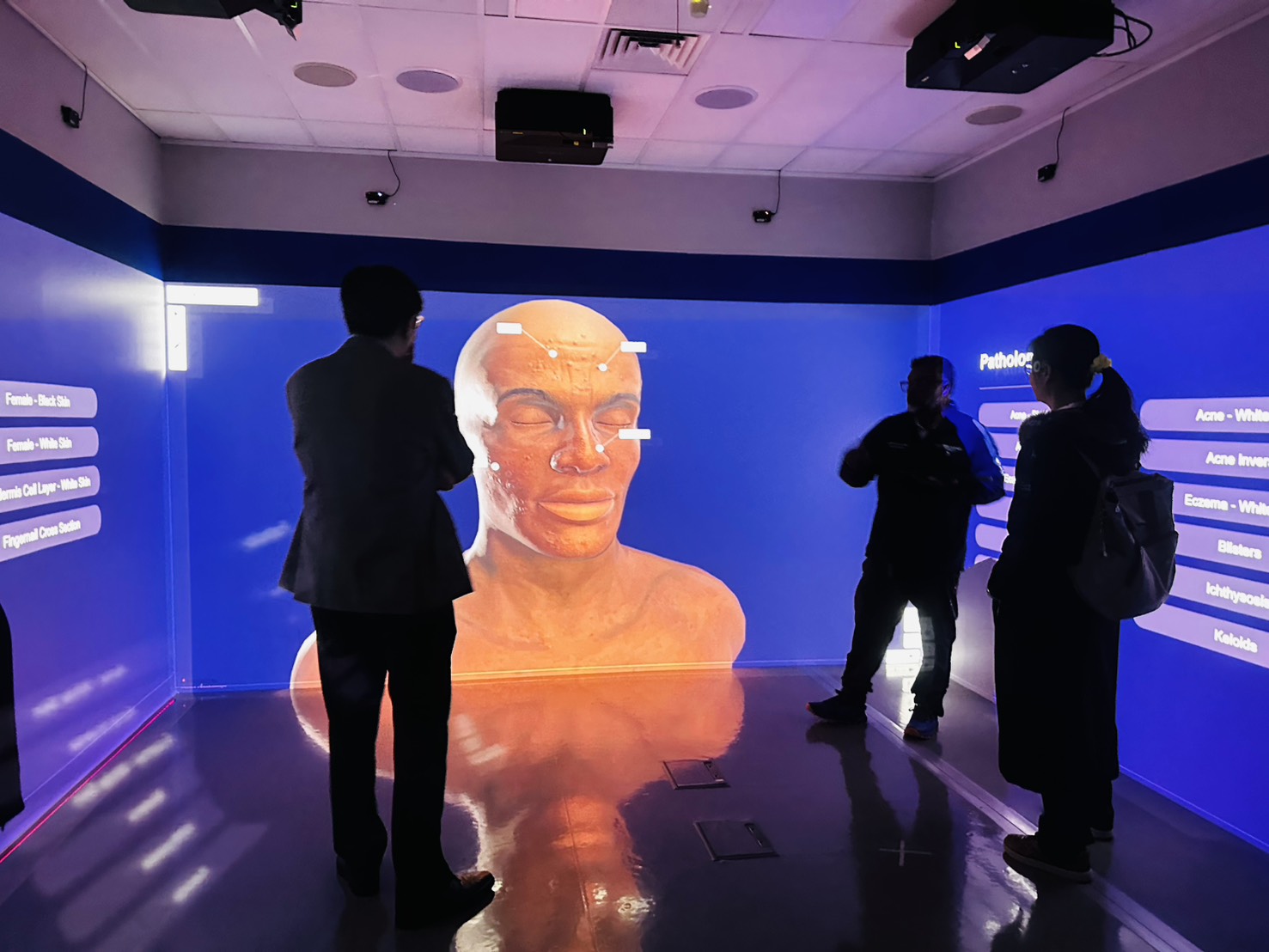
Western Sydney University has been ranked first globally in the Times Higher Education (THE) Impact Rankings for four consecutive years, demonstrating its unparalleled contribution to the UN Sustainable Development Goals (SDGs), particularly in sustainability, gender equality, educational inclusivity, and climate action. Its School of Medicine, located at the Campbelltown campus, boasts a comprehensive medical education system and high-fidelity clinical training facilities, making it a powerhouse for medical talent cultivation. This solid foundation ensures that the collaboration between WSU and CMU will break new ground in TCM research, education, and clinical practice.
Day 1: Strengthening Educational Ties
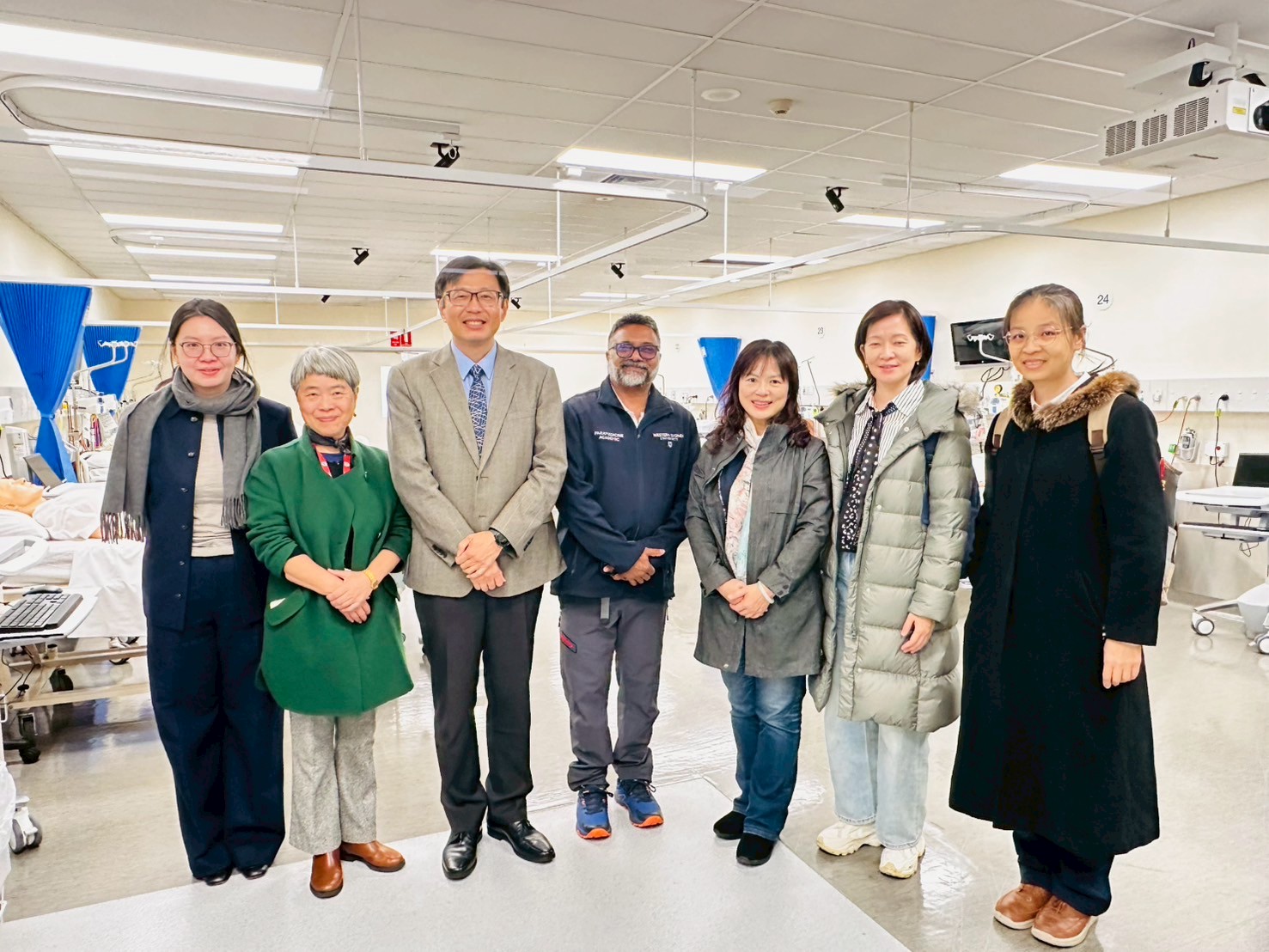
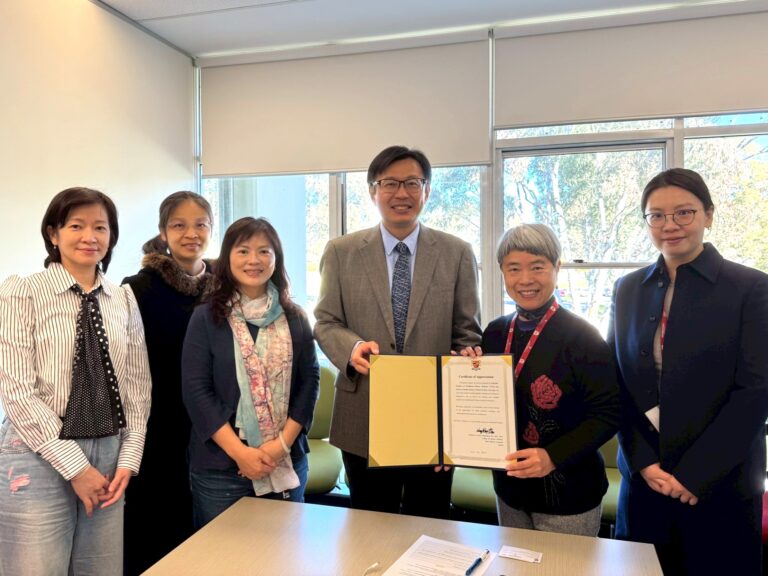
On July 16, the CMU delegation, led by Dean Hung-Rong Yen (College of Chinese Medicine), visited the Chinese Medicine Unit at WSU's School of Health Sciences. The delegation included Vice Chair Hui-Chi Huang (School of Chinese Medicine), Associate Professor Ying-Chyi Song (Graduate Institute of Integrated Medicine), and Assistant Professor Mei-Yao Wu (School of Post-Baccalaureate Chinese Medicine). The team met with Associate Dean Xiaoshu Zhu and Lecturer Yu-Ting Sun to discuss curriculum design, clinical internship arrangements, and future student exchange programs. Both parties aim to leverage shared resources to create more transnational learning and clinical opportunities for students.
Day 2: Signing the Agreement & First Joint Symposium
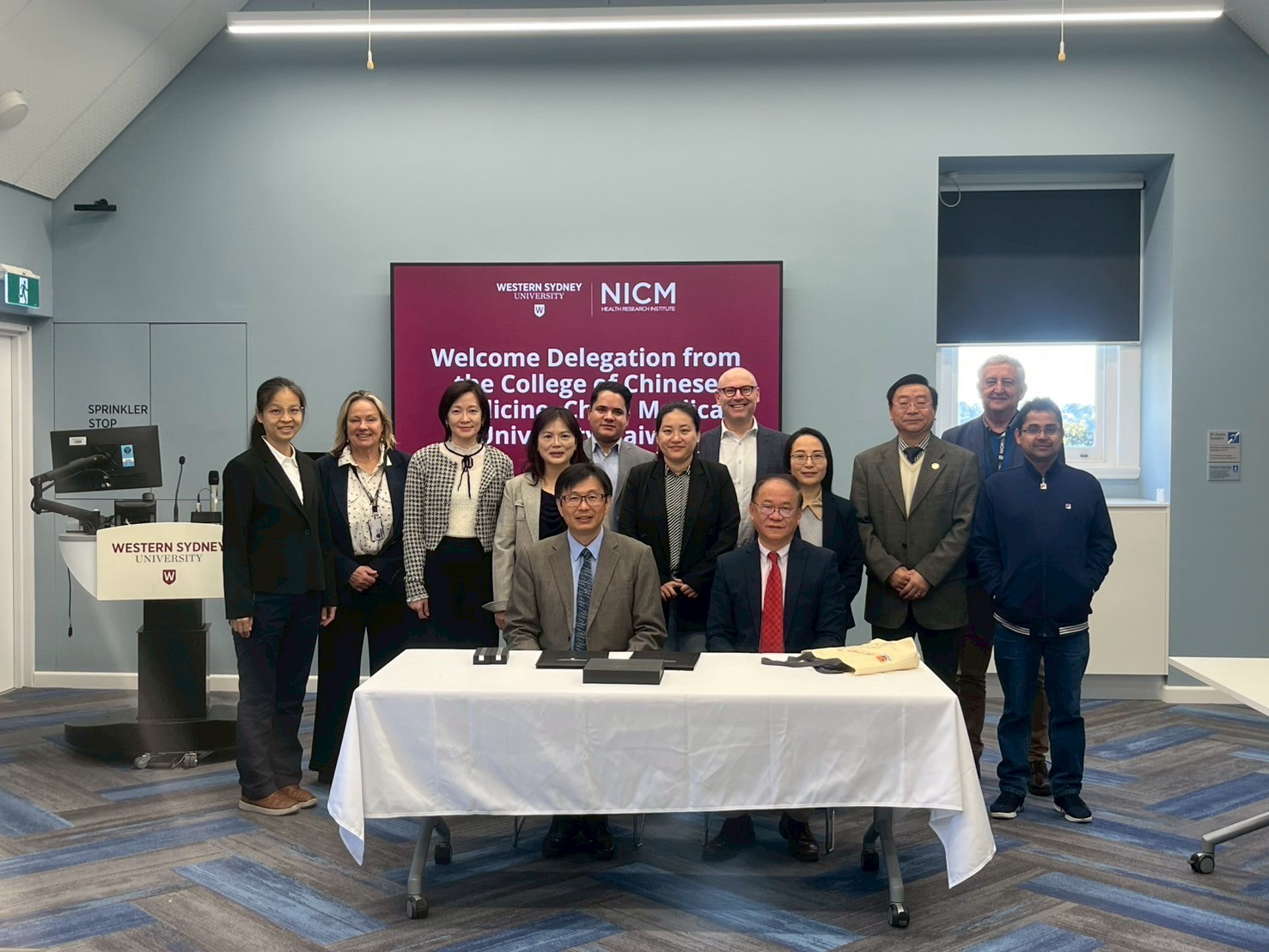
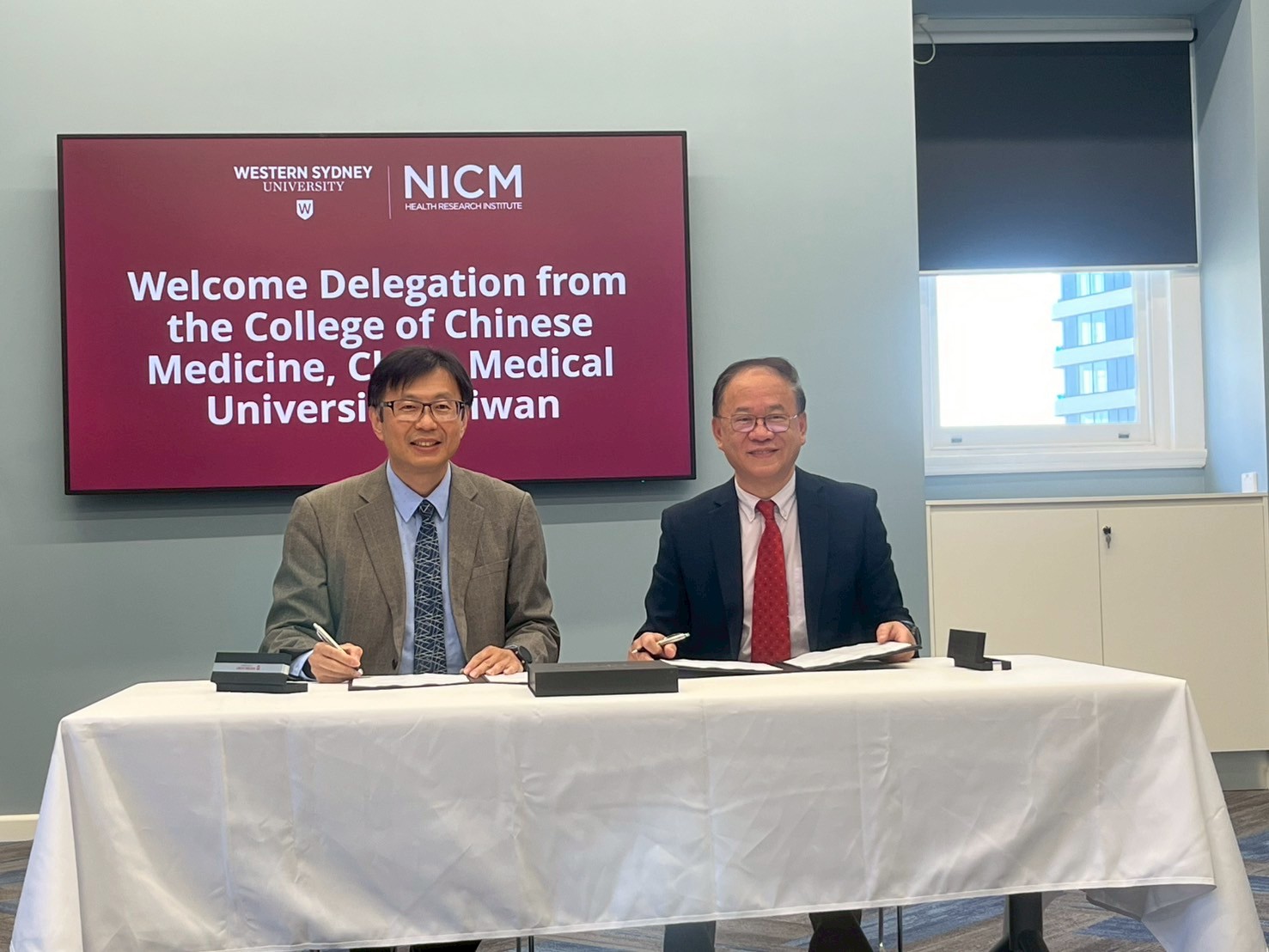
On July 17, the delegation visited the National Institute of Complementary Medicine (NICM). A bilateral cooperation agreement was officially signed by NICM Director, Professor Dennis Chang, and CMU Dean, Professor Hung-Rong Yen. Beyond the institute-level agreement, the two universities also exchanged university-level agreements covering joint research, faculty exchange, student exchange, and international curriculum development, marking a new milestone in the field of TCM and complementary medicine.
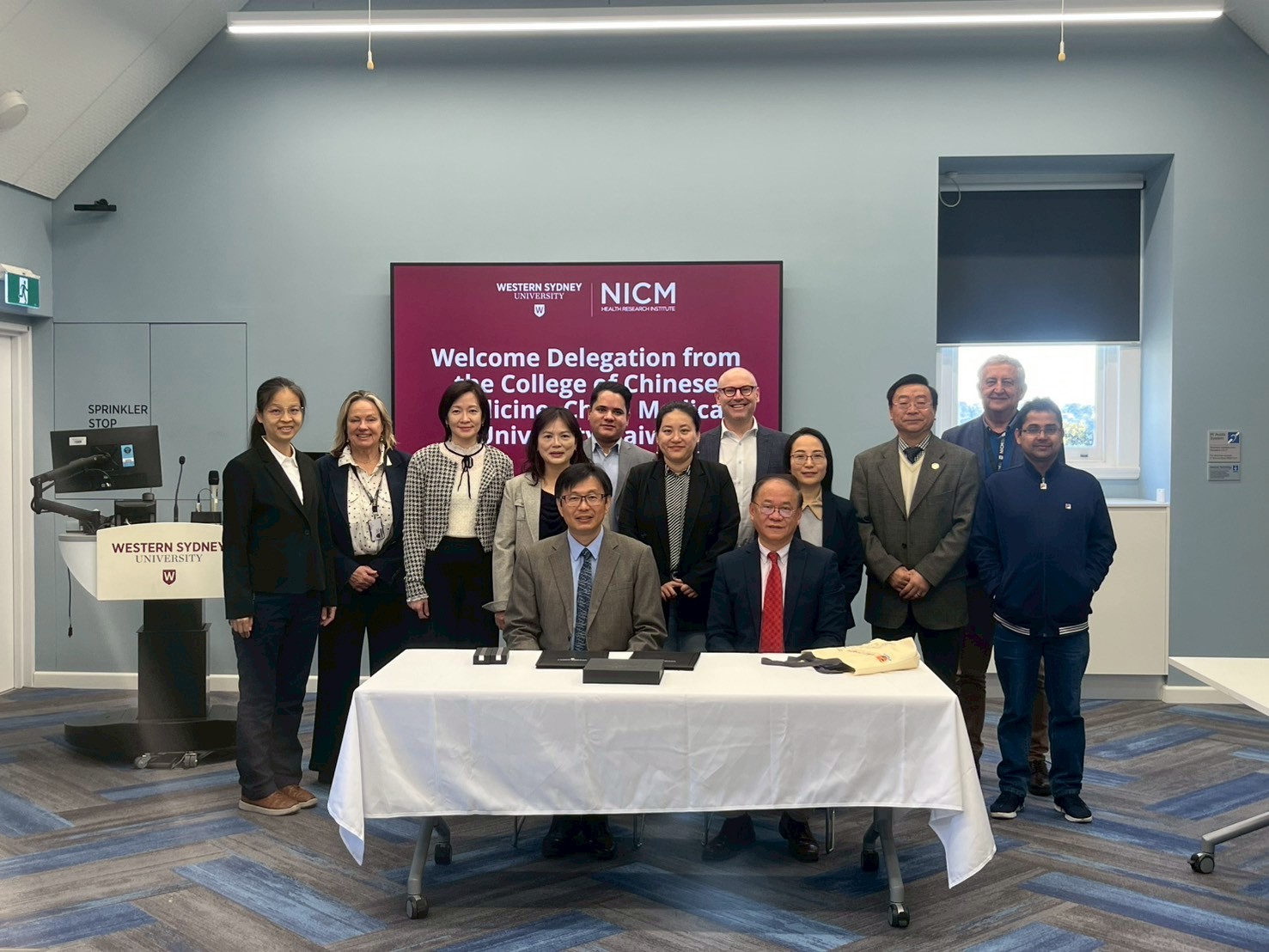
Following the signing ceremony, the institutions held the inaugural "Advancing Evidence-based Chinese Medicine Research and Practice: A Joint Symposium by NICM and CMU." The hybrid event attracted faculty, students, and international scholars.
Highlights from the Symposium:
The symposium covered clinical trials, preclinical research, AI computational models, and integrative medicine models:
- From WSU (NICM):
- Prof. Dennis Chang shared insights on translating herbal medicine clinical trials into product development.
- Assoc. Prof. Mike Armour discussed evidence-based research on acupuncture for women's health management.
- Dr. Phoebe Zhou introduced the use of AI computational models to optimize herbal combinations for enhanced efficacy.
- Dr. Suzanne Grant, Dr. Deep Bhuyan, and Dr. Emily Yang presented the latest advancements in various complementary medicine fields.
- From CMU:
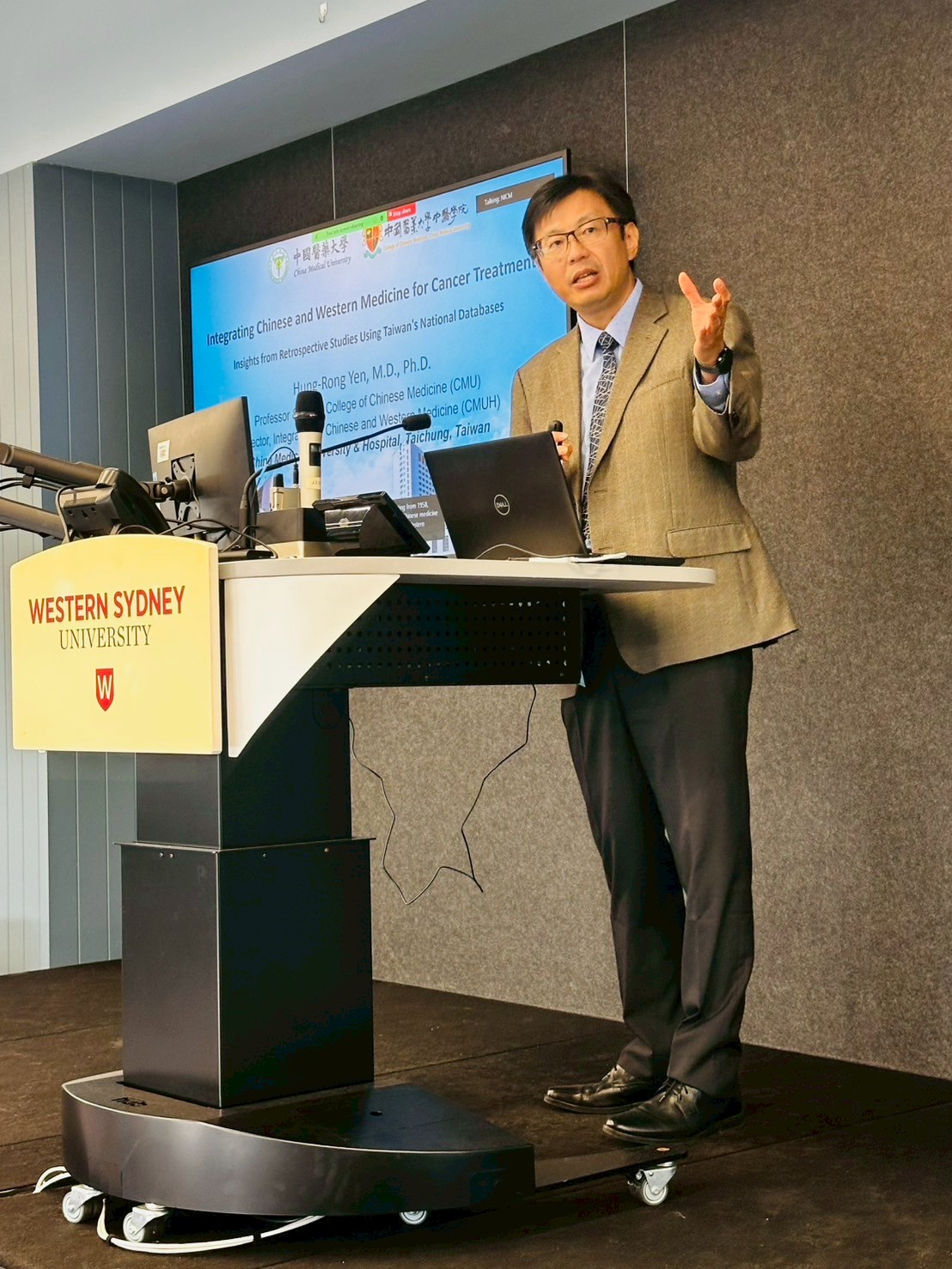
- Dean Hung-Rong Yen presented clinical evidence on integrative East-West medicine for cancer treatment, highlighting improvements in quality of life and therapeutic outcomes.
- Assoc. Prof. Ying-Chyi Song introduced innovative research on TCM immunomodulation and vaccine adjuvants.
- Prof. Hui-Chi Huang reported on the latest progress in the extraction, isolation, identification, and validation of Taiwanese herbal medicines.
- Asst. Prof. Mei-Yao Wu demonstrated how data from TCM pulse diagnosis instruments can serve as clinical predictors for extubation success in patients with respiratory failure.
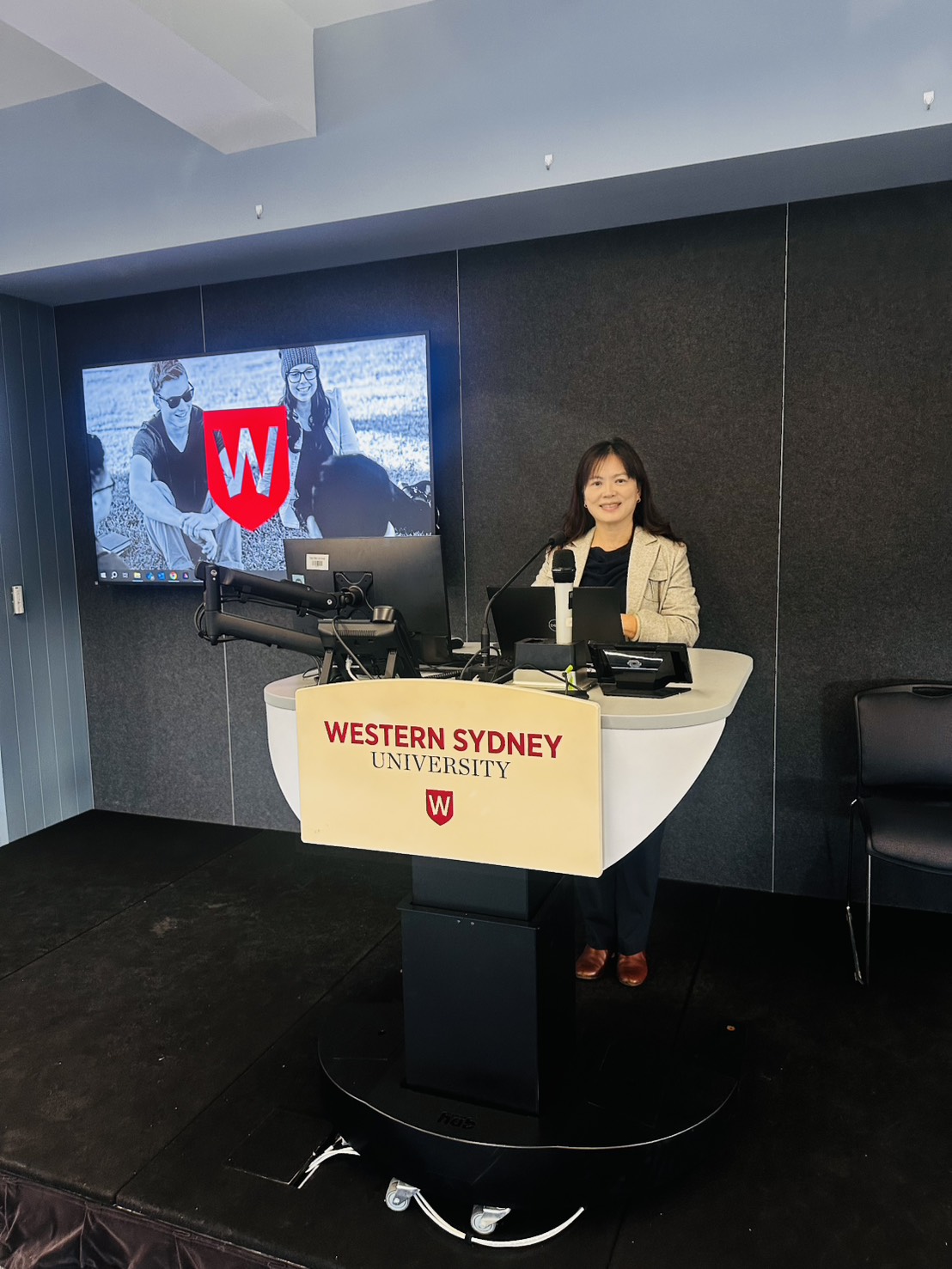
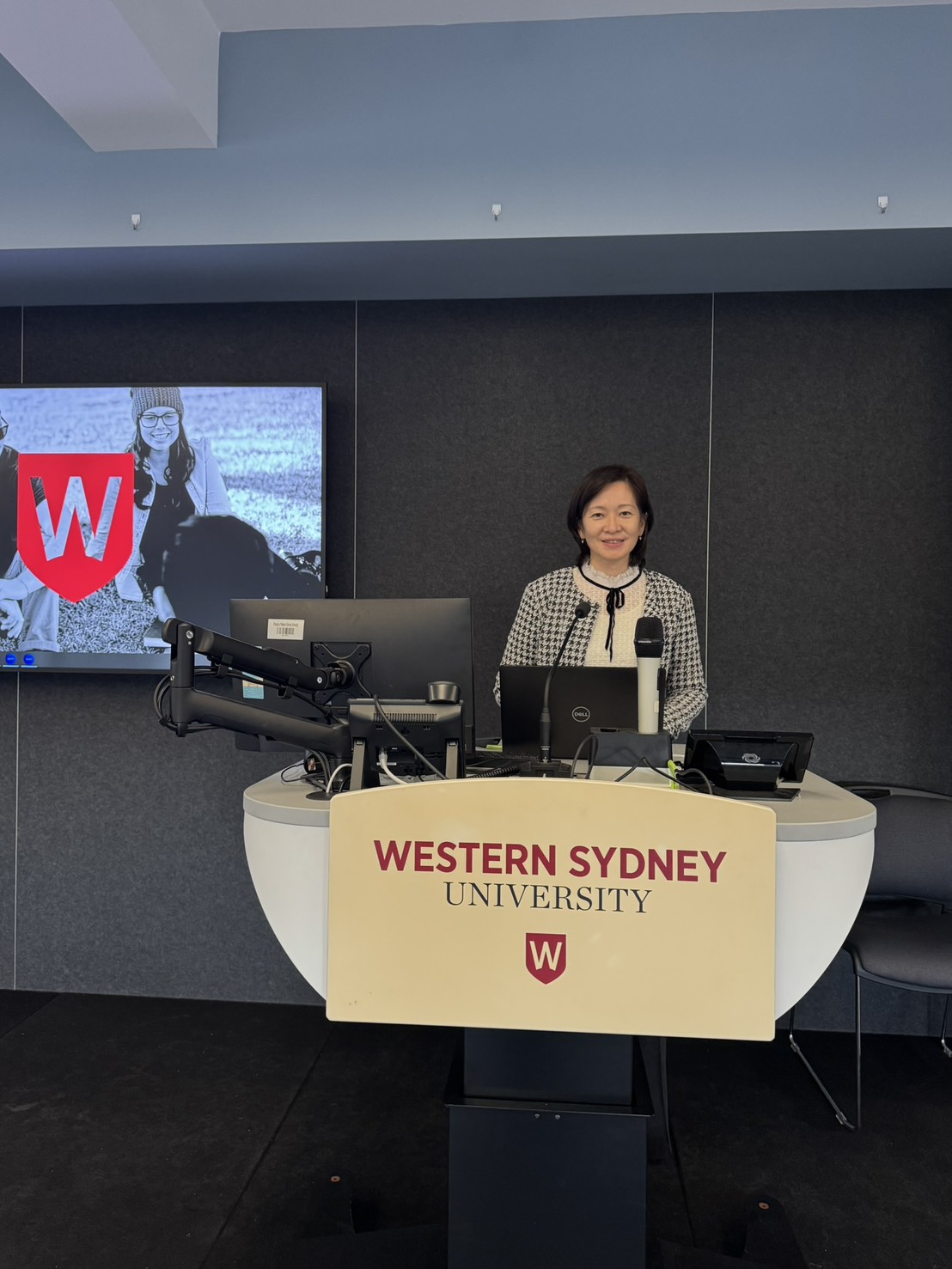
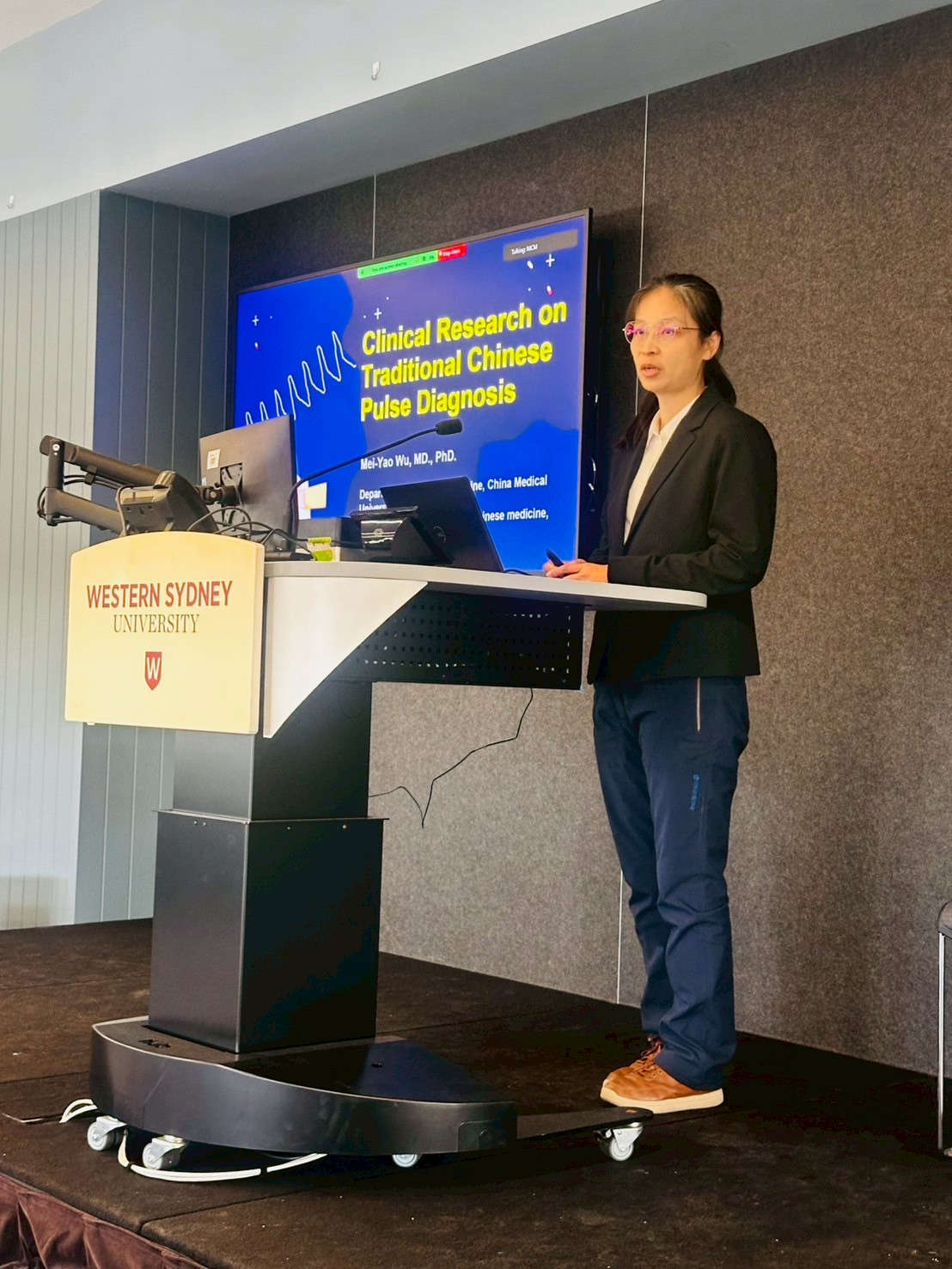
Additionally, representatives from the Australian acupuncture association shared insights into local clinical practices and policies, fostering a deeper mutual understanding of the clinical environments in both countries.
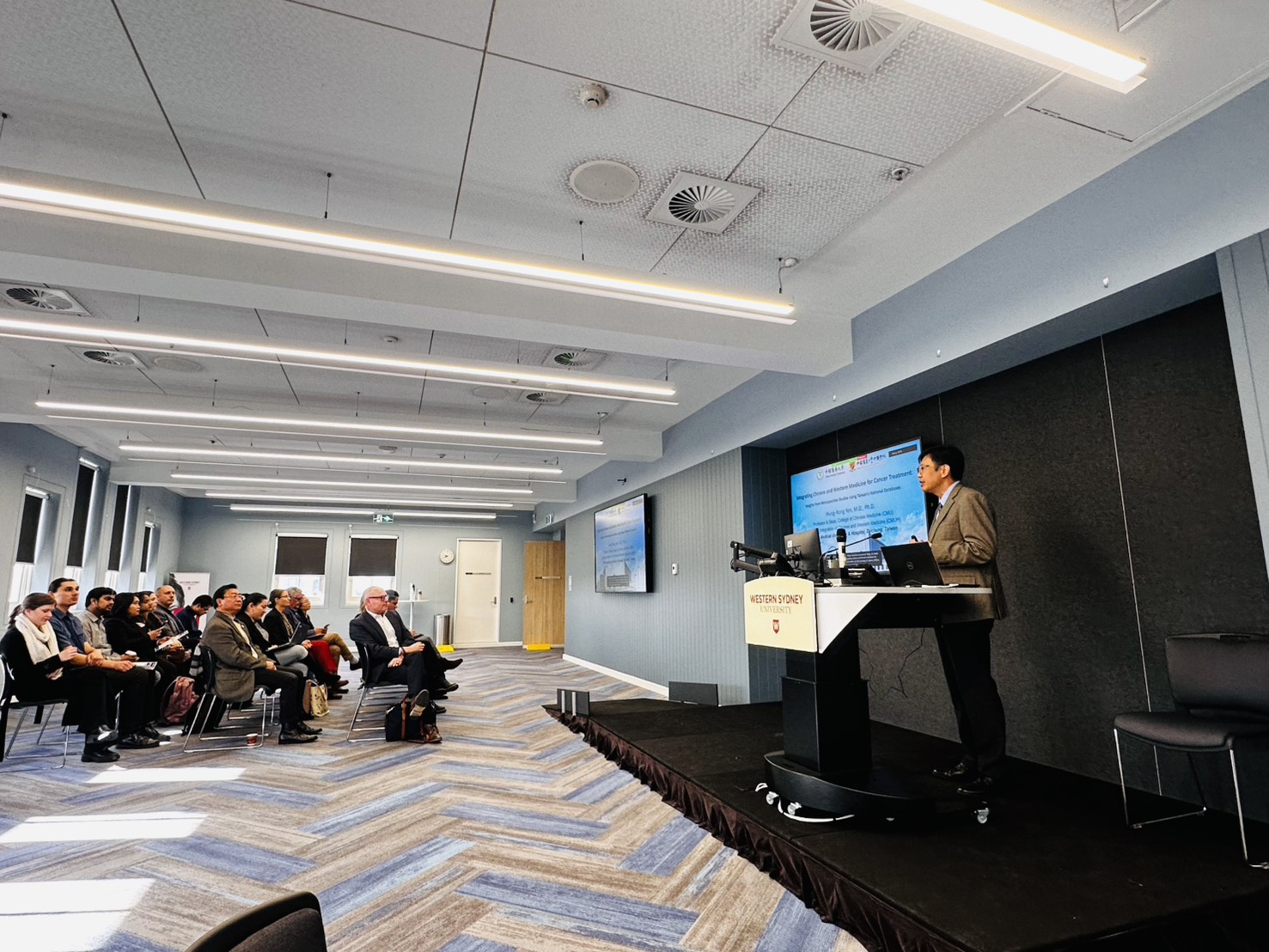
Looking Ahead
This visit and symposium have established a tighter bond between CMU and WSU's NICM Health Research Institute, opening a new chapter for joint research, international exchanges, and dual-track curricula. Under the leadership of CMU President Mien-Chie Hung, steered by Vice President Lu-Hai Wang of the Research Center for TCM, and led by Dean Hung-Rong Yen, CMU continues to expand its global footprint, ensuring that TCM research and education shine brightly on the world stage.